What Is Farmer Quota Plots in Noida & Greater Noida
Understanding Farmer Quota Plots in Noida & Greater Noida
Real estate terms in fast-growing cities like Noida and Greater Noida can be confusing, especially for first-time buyers or investors. One such term you might hear often is “Farmer Quota Plots” (also called Kisan Quota Plots or Abadi/ village quota plots). These plots are very common in the areas developed by authorities like Noida Authority, Greater Noida Authority (GNIDA), and Yamuna Expressway Authority (YEIDA). But what exactly are they? How are they created? And why do people talk about them so much? Let’s break everything down step by step in easy English.
What Are Farmer Quota Plots?
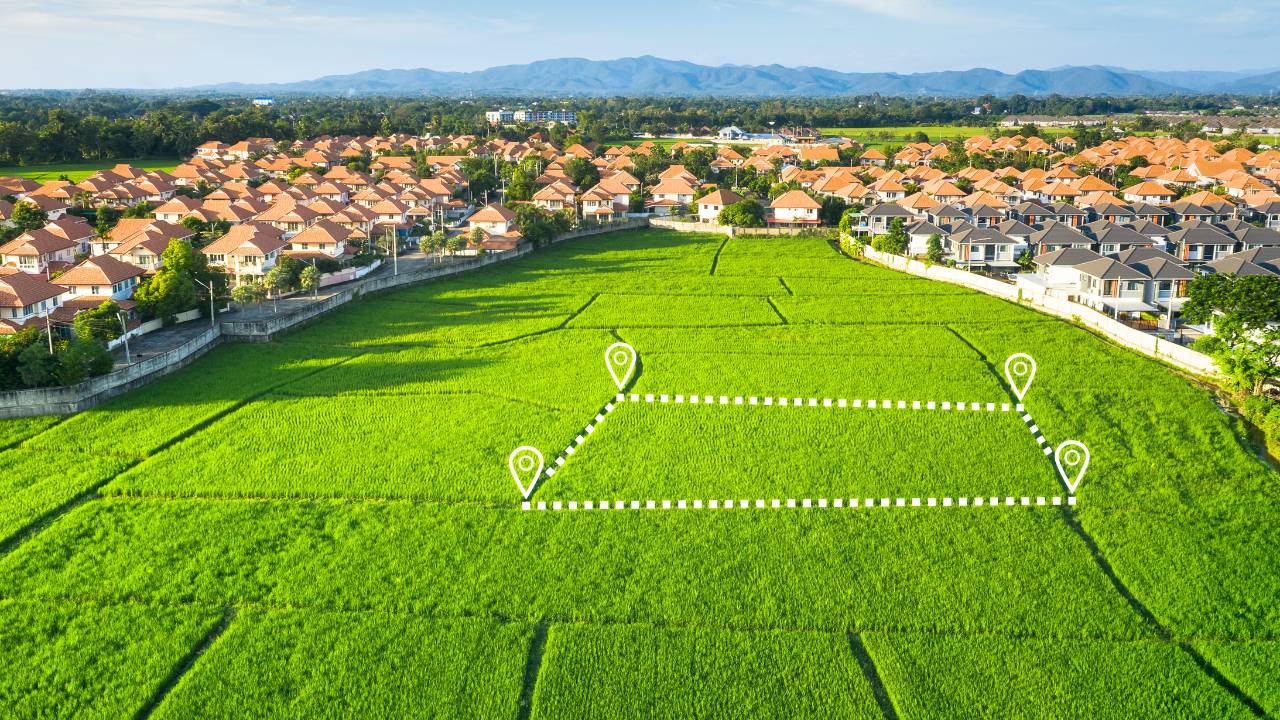
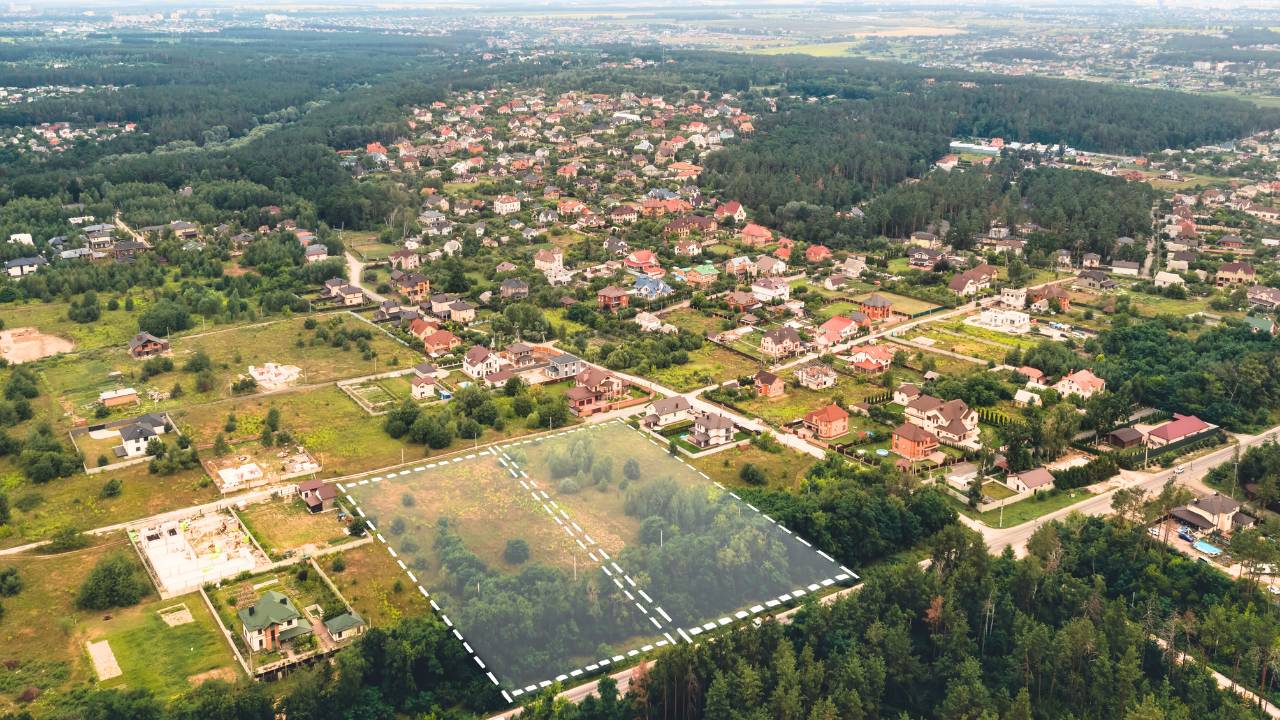
When government agencies develop land for urban projects like roads, sectors, industries, or housing, they often need to acquire agricultural land from local farmers. In India, laws require that when land is acquired, farmers must be fairly compensated. One way this is done is by offering them developed plots in return. These developed plots are called Farmer Quota Plots or Kisan Quota Plots.
In simple words:
- The government or development authority takes agricultural land from farmers.
- Instead of giving only money, the authority gives them part of that land back in the form of developed residential plots.
- These plots come with official registry in the name of the farmer.
This means the farmer is the owner of the new plot and can later sell or build on it (subject to rules).
Why Are They Called “5%, 6%, or 7% Plots”?
You might have heard terms like 5% farmer quota plots, 6% plots, or 7% plots. These numbers represent the percentage of land given back to the farmer from the total land that was acquired.
Here’s what they mean:
- 5% Plots – Usually in Noida. If 1,000 sq. meters of farmland were taken, the farmer gets a 50 sq. meter developed plot (5% of total).
- 6% Plots – Seen in Greater Noida and Noida Extension. A little higher percentage, so farmers get a slightly larger developed plot.
- 7% Plots – Common in areas under the Yamuna Expressway Authority (YEIDA). Even more land is returned compared to the others.
These percentages were decided by different authorities based on their policies at the time of land acquisition.
Legal Ownership and Land Type
One key thing to understand about Farmer Quota plots:
📌Ownership is legal and official.
Once a plot is allotted, the name on the registry is the farmer’s name. Later, the farmer can sell it on the resale market. However, buyers must check all documents carefully to avoid fraud.
📌Type of land:
These plots are usually leasehold land, not freehold. That means the authority owns the land for a certain period, and the plot is registered in that category (standard in Noida, Greater Noida, and YEIDA areas).
Location of Farmer Quota Plots
These plots are generally located:
✔ in sectors or areas near village boundaries
✔ adjacent to where the authority is developing a sector
✔ close to infrastructure like roads, expressways, metro lines, or upcoming developments
For example:
- In Noida (5% plots) – available across many sectors like Sector 63A, Sector 70, Sector 104 and others.
- In Greater Noida (6% plots) – found in Noida Extension sectors and other residential sectors developed by GNIDA.
- In Yamuna Expressway (7% plots) – sectors like Sector 18, 20, 25 and more.
Some of these areas are well connected with major infrastructure like Noida International Airport (Jewar) and express highways, increasing investment interest.
What Facilities Do These Plots Come With?
Unlike some village plots that are just bare land, Farmer Quota Plots are part of authority-planned areas. That means they usually include:
✔ Proper roads and internal network
✔Electricity connections
✔Water supply and drainage system
✔Sewage lines
✔Sector-level planning and infrastructure
Since the authority develops these sectors, they tend to be better equipped than random village land on the outskirts.
Can You Build on Farmer Quota Plots?
Yes, you can build a house or structure on these plots. In fact:
🔹 Most Farmer Quota plots are meant for residential use.
🔹 In several authorities (like YEIDA), up to 50% of the plot can be used for commercial purposes (like a clinic, coaching center, gym, shop, etc.), with proper approvals.
However, full commercial business use might not always be allowed, and you should check zoning rules before planning any building.
Why Are Farmer Quota Plots Cheaper?
You may see these plots quoted at lower rates than other authority plots. Some reasons include:
🔹Location near village area, rather than prime parts of the sector.
🔹Mixed ownership history, meaning plots originally belonged to farmers and might have multiple names.
🔹Road widths and facilities in these plots are sometimes basic compared to fully developed sectors.
But remember, lower price does not always mean low quality. Many plots are well-connected and have investment potential if due diligence is done carefully.
Buying and Selling Farmer Quota Plots
If you are planning to buy such a plot:
✅ Check original registry and allotment letter.
✅ Confirm that the plot is in the farmer’s name and that all legal documentation is complete.
✅ Verify whether the plot is registered or unregistered — unregistered plots can take longer for sale transfers.
Once the plot is registered properly and the original allotment is complete, it becomes easier to sell or transfer legally.
Risks and Important Precautions
Like any real estate purchase, these plots have some risks:
⚠️ Some plots may be sold without proper registration. Always check the Transfer Memorandum (TM) and authority documents.
⚠️ Some areas might not be fully developed yet.
⚠️ Locations close to the village may have limited infrastructure initially.
⚠️ Scams and irregular inclusions have been reported in some old cases where non-farmers were wrongly added to eligibility lists, so careful verification is crucial.
Investment and Future Potential
Farmer Quota Plots are often chosen by:
🔹 First-time buyers looking for affordable plots.
🔹 Investors hoping for price appreciation as infrastructure develops.
🔹 People looking for mixed use (part residential & part commercial) in future.
Their value often increases as city developments (like highways, metro, airports) grow around them.
Conclusion – Farmer Quota Plots Made Simple
In summary:
✔Farmer Quota Plots are developed residential plots given to farmers as compensation when land is taken by authorities.
✔ They come in 5%, 6%, or 7% categories depending on the authority involved.
✔ They have real legal value but need careful checking before purchase.
✔ These plots can be a good opportunity for affordable land or investment, especially where infrastructure is expanding.
If you’re considering one, always work with lawyers and professionals who specialize in land and property in these regions. Proper advice and verification can protect you and ensure a smart, valuable purchase.